
Challenge
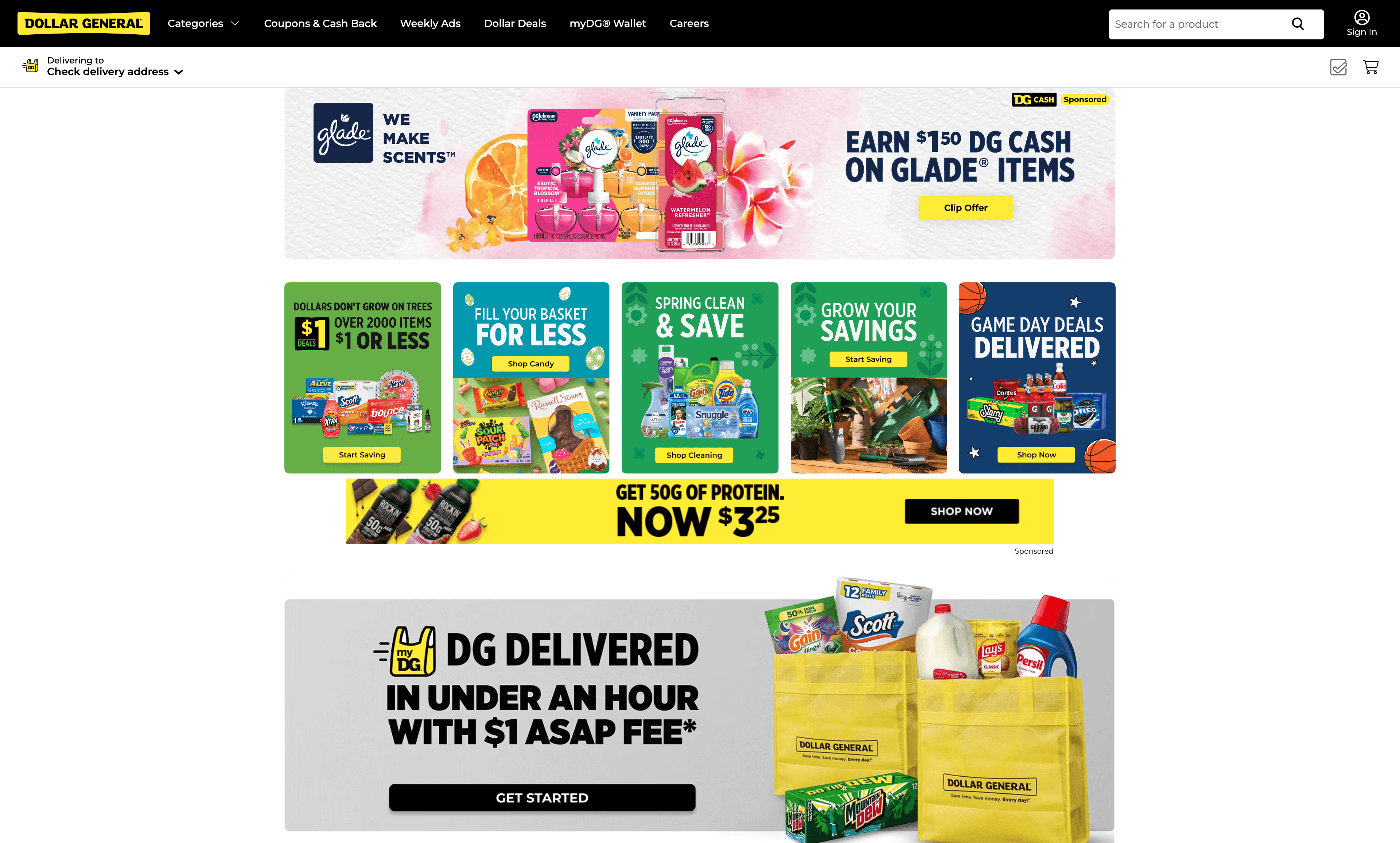
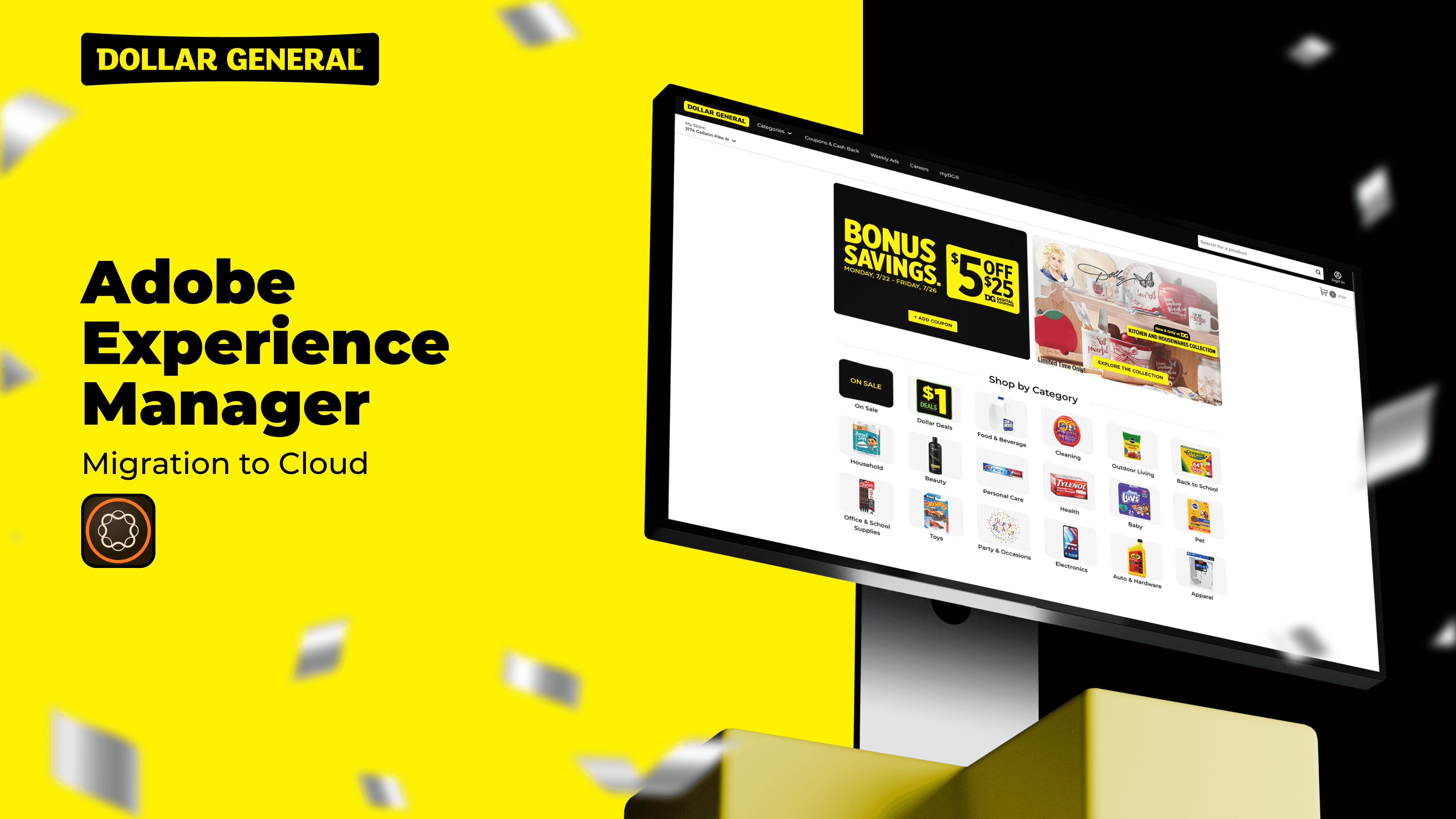
As a Fortune 500 retailer, the organization faced significant hurdles in maintaining design-to-production consistency during a massive migration to AEM Cloud. The existing workflow suffered from fragmented handoffs, where design specifications were often lost in translation, leading to technical debt and inconsistent user experiences across Web, iOS, and Android platforms. The primary challenge was to architect a unified system that could scale across thousands of digital touchpoints without sacrificing performance or visual fidelity.
The Strategic Request
The objective was to modernize the platform’s infrastructure by bridging the gap between design and engineering. This required not just a visual redesign, but a complete overhaul of the DesignOps pipeline. The request involved establishing a "single source of truth" for brand tokens, automating the component scaffolding process, and implementing a rigorous technical QA framework to ensure that every pixel in production matched the engineering requirements of a high-traffic retail environment.
The Technical Process
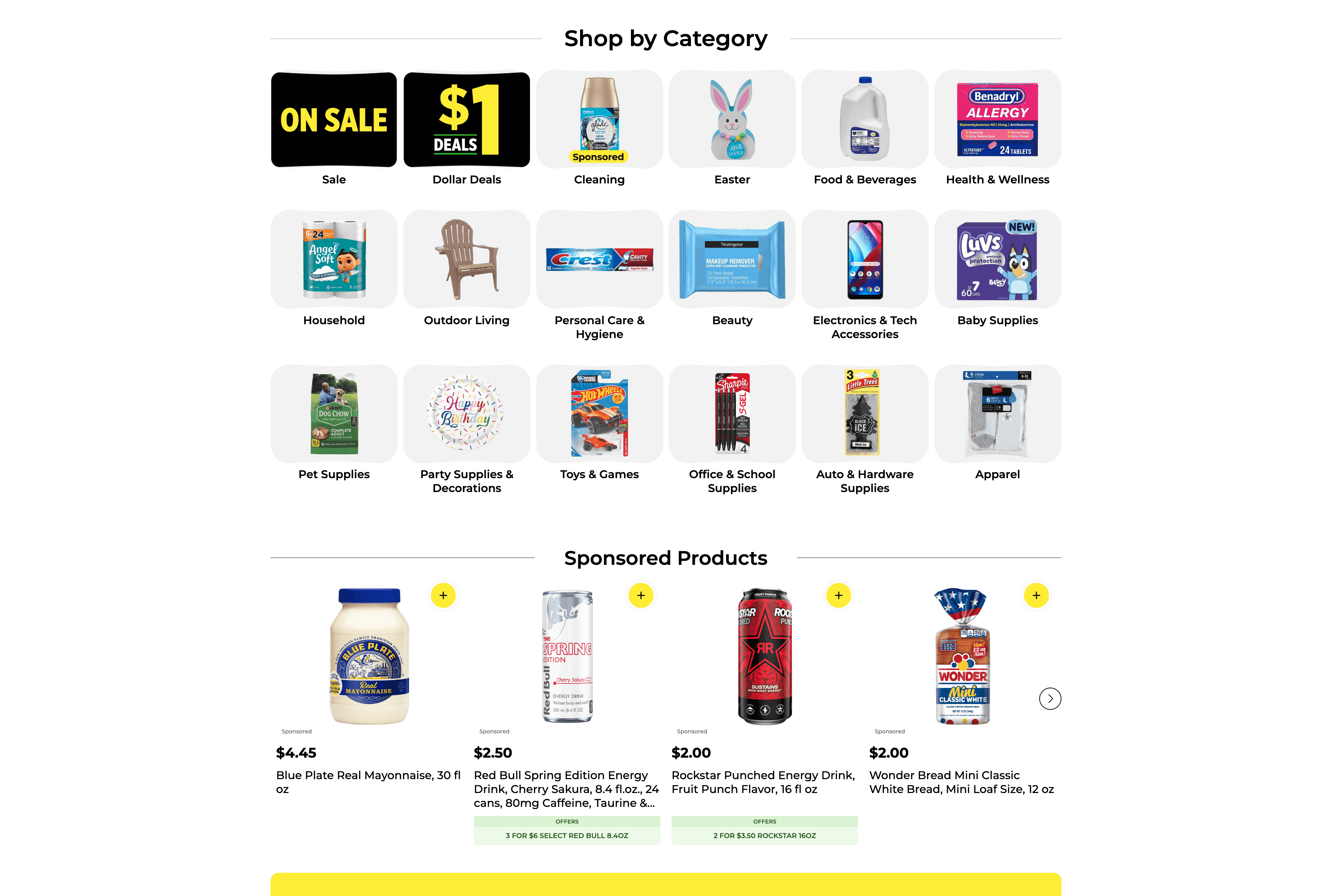
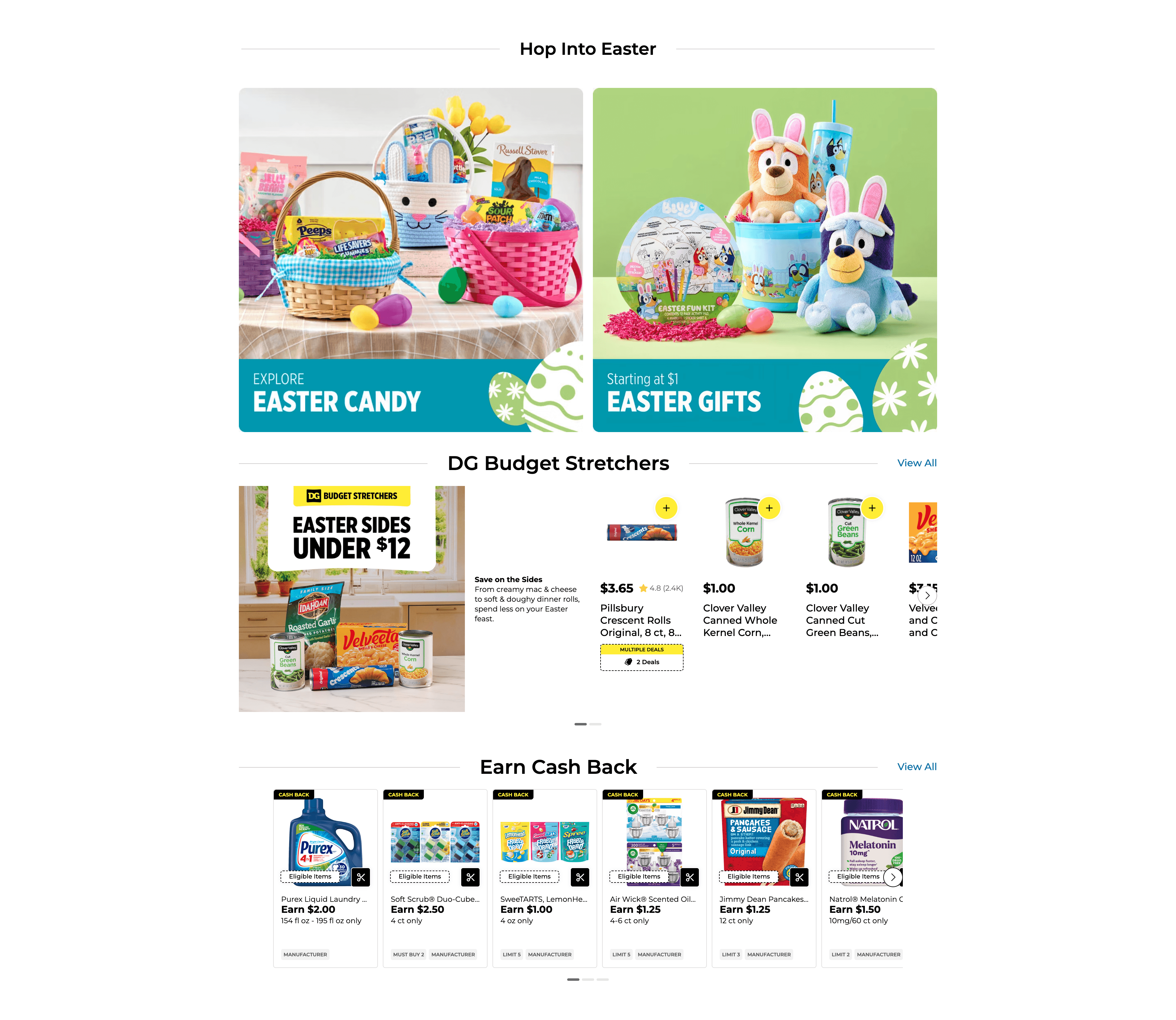
System Audit & AEM Cloud Migration: Conducted a comprehensive audit of existing UI patterns to streamline the transition to AEM Cloud. I focused on optimizing front-end performance and ensuring the new architecture could handle global scale.
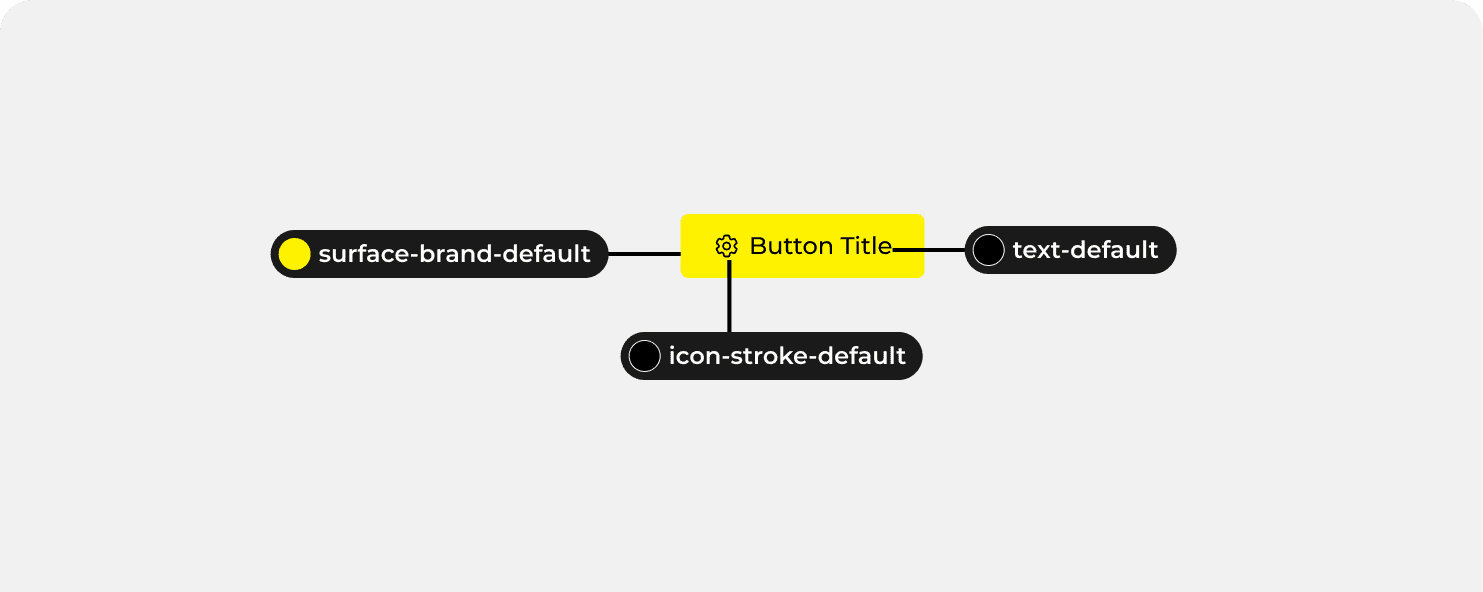
Design-to-Code Automation: Orchestrated the integration of Figma Code Connect and Tokens Studio. By implementing AI-driven automation, I created a workflow that translated design tokens directly into production-ready code, significantly reducing manual effort.
Synchronization via Style Dictionary: Used Style Dictionary to manage and distribute design tokens across multiple platforms. This ensured that a single change in the design library would automatically propagate through Web and Native Mobile environments.
Technical QA Framework: Established a systematic visual audit process. By leveraging my background in Systems Engineering, I created a regression testing protocol to validate implementation fidelity, ensuring a 100% match between design intent and the final build.
The Impact (Why it Matters)
By treating the UI as a system rather than a series of screens, the project transformed the development lifecycle. The implementation of automated handoffs and unified component libraries didn't just improve the look of the site—it fundamentally changed how the organization builds software. The result was a platform that is more resilient, easier to maintain, and capable of shipping features at a pace that matches the demands of a global retail leader.
-50%
25%
84%